





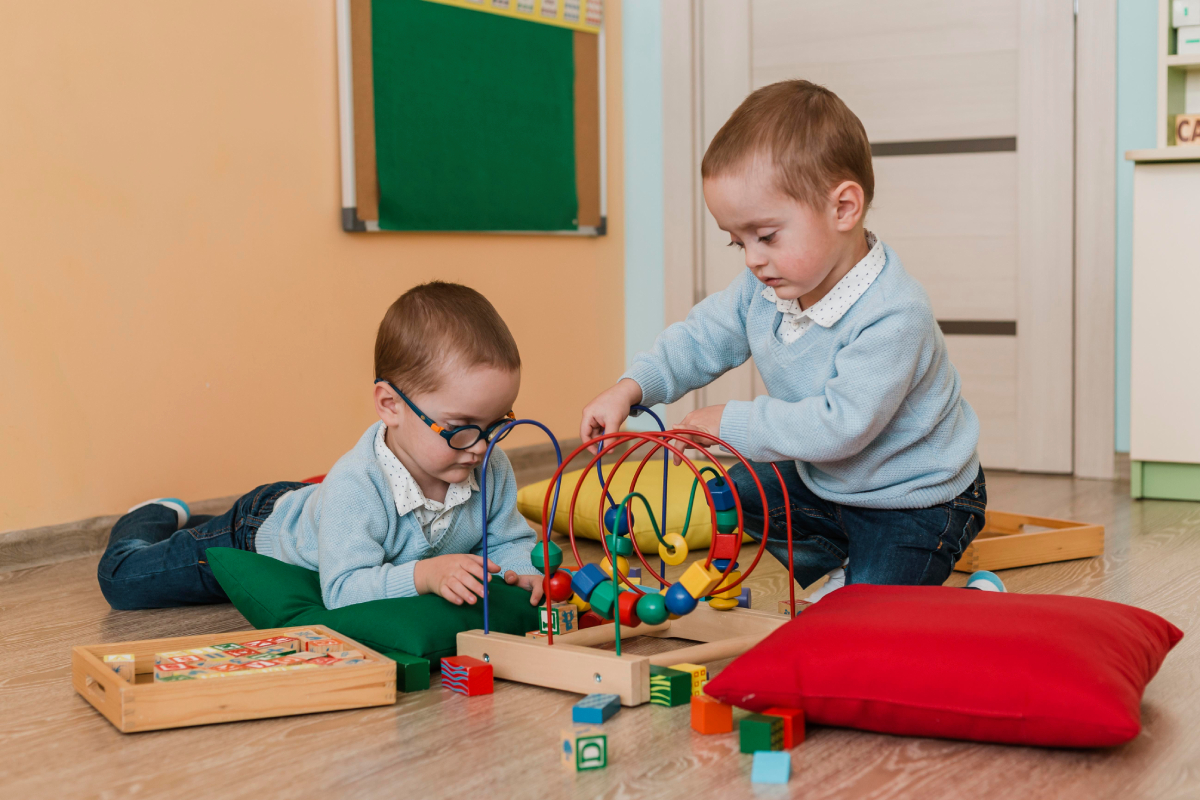
Project-Based Learning (PBL) flips traditional teaching by giving students ownership through real-world challenges – like calculating seed counts for a class garden or designing simple recycling systems. Think of PBL as planting curiosity while teaching math and teamwork organically.
Driven by critical thinking, PBL turns classrooms into discovery zones where kindergarteners naturally build 21st-century skills through collaborative problem-solving: Research shows engagement spikes when children prototype solutions to authentic needs – like budgeting play money for a pretend store. Suddenly, subtraction becomes meaningful practice rather than abstract drills.
The workforce connection? Modern jobs prioritize workers who adapt and innovate creatively. While memorization has value, workplaces increasingly mirror PBL environments where employees tackle multifaceted goals under deadline pressure. Teachers notice students trained through PBL approaches transition smoother to complex tasks requiring self-direction.
Three core strengths make Project-Based Learning transformative:
- Fuels curiosity through open-ended exploration of curriculum topics
- Merges math/literacy practice with tangible community impact projects
- Scaffolds emotional intelligence via peer negotiation and creative risk-taking
The educational gold lies in PBL’s holistic growth engine. One preschool’s river cleanup project blended ecology (science), trash measurement charts (math), and persuasive posters (language arts) while nurturing teamwork and civic responsibility. This synergy creates adaptable learners prepared to navigate tomorrow’s unknown challenges – making PBL an essential foundation for exploring its key characteristics next.
Essential Elements of Project-Based Learning in Early Years
Project-based learning isn’t just group work or a randomly assigned project. Unlike traditional methods, authentic PBL thrives on seven core characteristics that build critical thinking and real-world readiness:
Challenging Problem or Question: Start with open-ended prompts like “How can we reduce lunchroom waste?” to spark sustained inquiry across subjects. Students research compost science while practising measurement (math) and persuasive writing (language arts).
Real-World Context (Authenticity): Connect lessons to community needs—surveying local playgrounds links geometry (shapes/angles) to civic engagement. This anchors learning in tangible outcomes children care about.
Voice & Choice in Learning: Empower students to pick research tools or presentation formats, whether creating dioramas or digital slideshows. Ownership boosts confidence and creativity.
Guided Reflection: Weekly “Think Aloud” sessions let students articulate challenges, like refining plant-growth hypotheses through journaling and peer discussions.
Critique & Revision: After building mini solar ovens, groups use teacher feedback to tweak foil placements—applying iterative problem-solving.
Public Product: Host invention exhibitions where learners present their “eco-friendly robots” to parents, merging accountability with pride in outcomes.
By embedding these elements, PBL turns classrooms into innovation hubs tailored for 21st-century skills.

Effective Project-Based Learning Strategies for Early Education
Project-based learning requires thoughtful design from teachers right from the start. Think of your classroom as a tiny research lab – you plan inquiry routes while letting students explore detours. Start by anchoring PBL units to specific learning standards through real-world math problems or literacy challenges embedded in classroom recycling projects.
A supportive environment forms when teachers nurture peer feedback huddles and model what if brainstorming sessions. Guide teams gently with three key tactics:
- Break complex projects into color-coded task cards
- Establish routine “check-in stations” for progress monitoring
- Display timelines with visual stickers showing weekly milestones
When scaffolding skills are used during neighborhood cleanup activities, a formative assessment might look like tallying sorted recyclables during the process. Summative assessment could involve presentations to local leaders about waste reduction plans.
You’ll wear multiple hats as learning coach – stepping in to clarify measurement techniques during garden-plot mapping, then stepping back as students debate plant spacing strategies. This dance between structured guidance and child-led discovery creates the PBL magic. Together, these teacher-driven frameworks turn abstract standards into tangible skills through scaffolded exploration.
Addressing Common Challenges in PBL
Implementing Project-Based Learning in early education requires balancing authentic exploration with structured guidance – let’s unpack the practical solutions for common roadblocks you might face.
Planning & Supervision Needs
You likely know the challenge – PBL demands thoughtful prep and active mentorship, which feels overwhelming initially. Time management also creeps in when creating authentic timelines for young children’s investigations (think 2-3 week “micro-units” aligning with seasonal themes like spring gardening).
The tricky part? Assessing outcomes objectively when kids create diverse outputs, from dioramas to puppet shows. But here’s the good news:
1. **Build Scaffolds with Clear Guidelines**
- Batch preparation using reusable template kits
- Create color-coded progress checklists for daily objectives
- Implement routine “checkpoint chats” to monitor collaboration
2. **Harness Dual Assessments**
While summative evaluations like final project presentations show skill application, weave formative check-ins throughout – quick thumbs-up/down polls after brainstorming sessions, or tracking problem iterations in design journals.
Read More : Your Guide to Finding Teaching Jobs Abroad
Integrating Real-World Applications and Creating Engaging Learning Environments with Project-Based Learning
Project-based learning empowers students to tackle real-world problem-solving by actively engaging in complex tasks that demand innovative approaches aligned with practical contexts. This creates classroom environments where 94% of students report heightened engagement, as shown in meta-analyses of global studies. Furthermore, learners in PBL settings demonstrate 28% higher knowledge retention in subjects spanning STEM and literacy compared to traditional methods. These collaborative projects inherently build critical thinking and adaptability—skills research confirms students apply beyond classroom walls when addressing community challenges.
Creating a Future-Ready Generation with Project-Based Learning in Early Childhood
Therefore, integrating Project-Based Learning into your kindergarten curriculum helps children develop 21st-century skills like critical thinking and problem-solving through hands-on activities. When you design real-world projects—such as planning community gardens—young learners boost creativity while improving social collaboration in tangible scenarios. Though implementation requires structured guidance, your commitment to educational frameworks turns classrooms into hubs for nurturing adaptable, curious minds ready for modern challenges. Ultimately, PBL transforms early education by merging curriculum standards with real-world competence, creating students who thrive academically and functionally.